Learn
Understanding how single-use plastic affects our health, environment, and economy — and what we can do differently.
Human Health Impacts
Single-use plastics expose people to harmful chemicals and microplastics through everyday items like food packaging, takeout containers, and drinking water. This section explores how plastic affects human health and why reducing exposure matters for individuals and families.

Learn: Plastic & Your Health
Plastic Free Phoenix is powered by passionate community members committed to creating meaningful, lasting change.

Is the Plastic in Your Kitchen Harmful?

How Plastic Exposure Can Impact Your Heath
More Resources
Coming Soon
We’re constantly updating our library with new guides and research.
The Environment
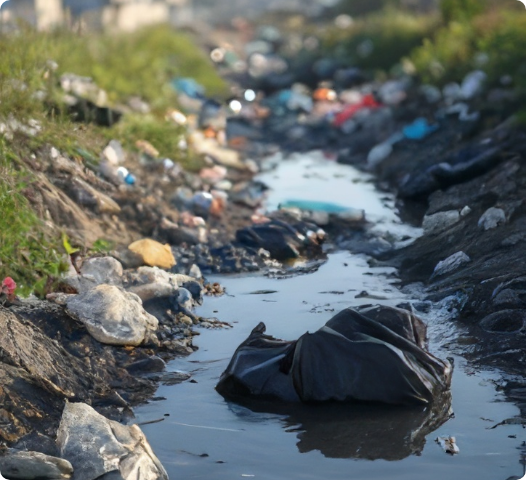
Plastic pollution affects ecosystems at every stage of its lifecycle — from fossil fuel extraction to long-lasting waste in landfills, waterways, and oceans. Learn how single-use plastic contributes to climate change, harms wildlife, and disrupts natural systems.
Economic Costs and Benefits of Change
Plastics are made from fossil fuels and chemicals, which contributes to climate change. Meanwhile, we’re subsidizing fuel companies even as pollution from plastics adversely affects our air, water, land, and health.


Our Favorite Reads
There is a growing body of research, reporting, and storytelling that helps explain the plastic crisis and its solutions. We’ve curated trusted articles, studies, and resources to help you learn more and dive deeper into the issues that matter most.